
Our approach to differentiation
—
Amplify Desmos Math Texas views differentiation as an ongoing process where teachers are both reactive and proactive to student needs, ensuring that all students have clear pathways to proficiency. Through rich data and teacher support, Amplify Desmos Math Texas uses flexible categories of intervention and enrichment that adjust daily according to student thinking.
In-the-moment differentiation supports are available for every lesson, both digitally and in the print Teacher Edition.
In-lesson differentiation
—
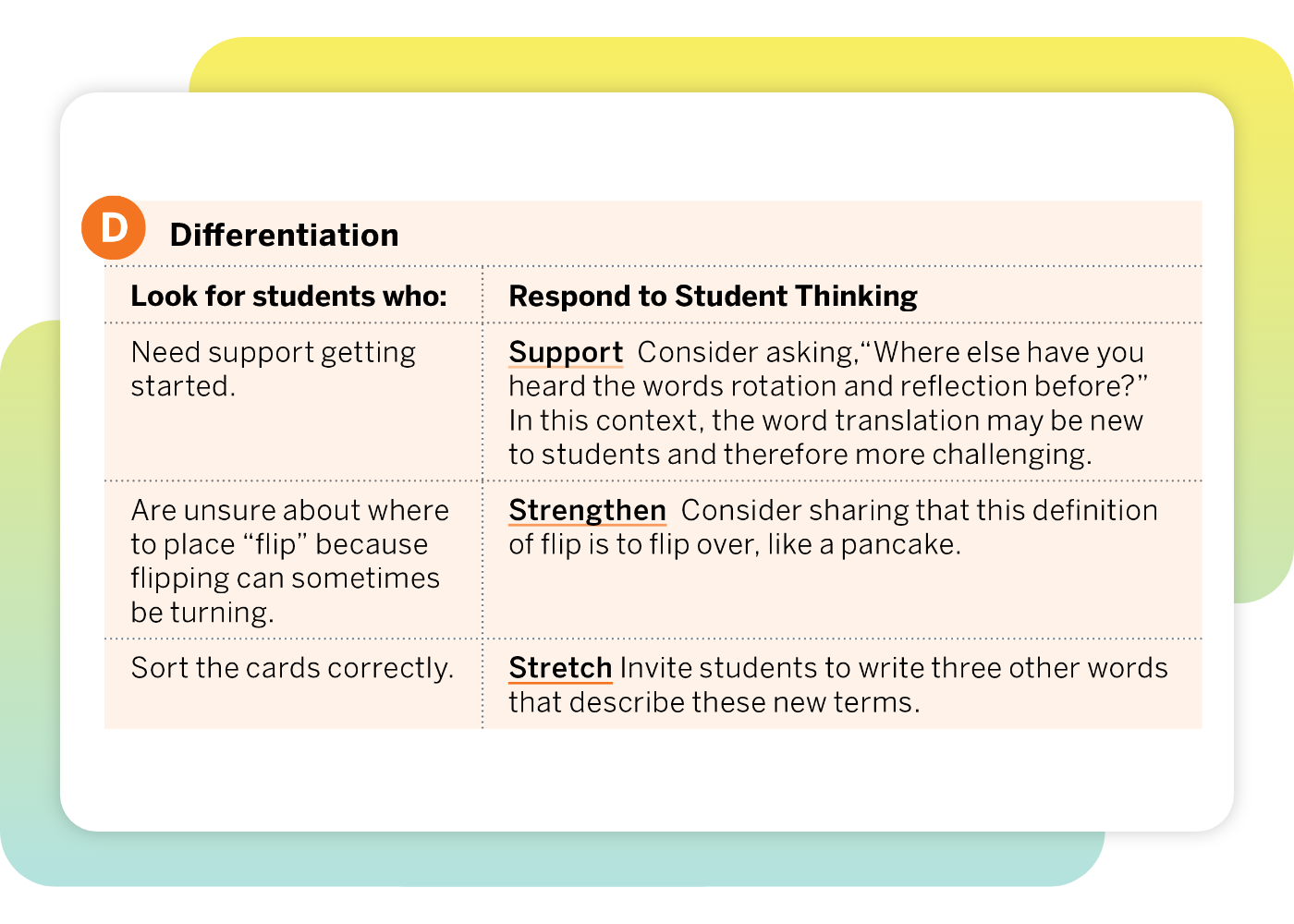
Within every lesson activity, teachers can use the Differentiation Teacher Moves suggestions to provide in-the-moment instructional support while students are engaged in the work of the lesson.
Teachers are provided with clear student actions and understanding to look for, each matched with immediately usable suggestions for how to respond to the student thinking illustrated in each row of the table. In addition to using these suggestions in the moment as teachers monitor student work, teachers can review the Differentiation table in advance to help them anticipate how students are likely to approach the activity.
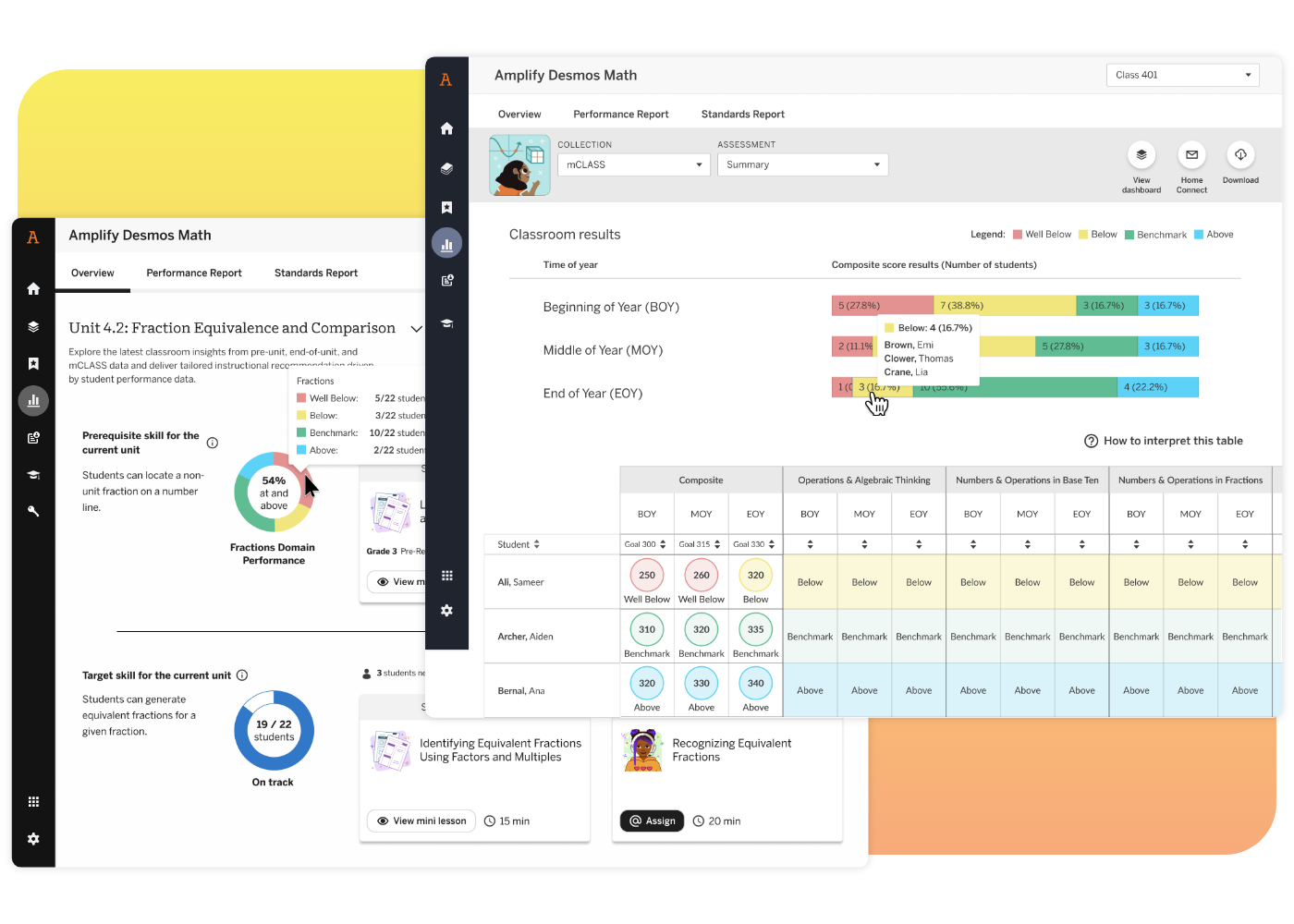
Teachers have data at their fingertips to guide and differentiate instruction.
—
Amplify Desmos Math Texas Reporting provides teachers and administrators with unified data insights so that educators have visibility into what students know about grade-level math. Areas of potential student need are highlighted to allow teachers to modify their instruction and target differentiated support. With actionable insights from mCLASS® Benchmark and Progress Monitoring Assessments, teachers are given recommendations they need to inform Tier 2 and Tier 3 intervention.
Practice makes progress.
When it comes to cementing new learning into long-term understanding, ample practice opportunities are key. Amplify Desmos Math Texas builds practice opportunities into both daily instruction and independent practice.
Boost Personalized Learning
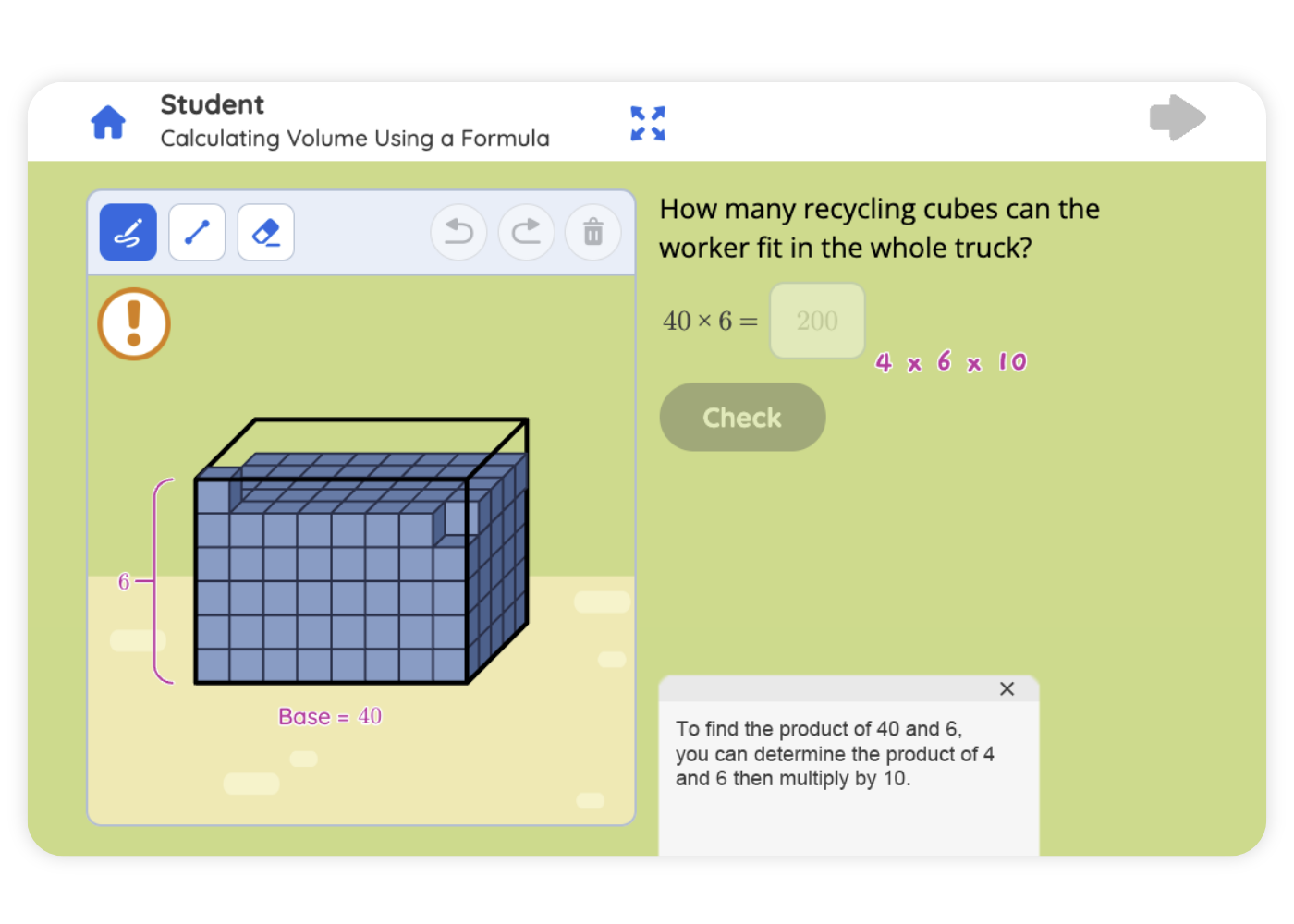
Boost Personalized Learning accelerates student growth with daily, targeted 15-minute individualized digital activities. Supported by a virtual tutor, students independently tackle tasks linked to Amplify Desmos Math Texas lessons, receiving just-in-time support to succeed with grade-level math.
Coming soon! Boost Personalized Learning activities for Texas with TEKS correlation.
Fluency Practice
The Fluency Practice of Amplify Desmos Math Texas uses an evidence-based approach to memory retention—spaced repetition—for the basic facts. The adaptive nature of the practice allows students to focus less and less on the facts they already know. We’ve partnered with Math for Love to iterate on the popular Multiplication by Heart to create Division by Heart and Addition and Subtraction by Heart I & II. These proven fluency decks—plus Skills Fluency for supporting procedural fluency practice—help students practice crucial skills independently.
Math Adventures
Unlike simple, repetitive math games, Math Adventures in Amplify Desmos Math Texas lets students navigate through various exciting levels while providing supportive feedback along the way. Math Adventures are perfect for times when teachers need students to be independent after finishing classwork, an assessment, or group work. Students can work through Math Adventures across the year and build to new Math Adventures in future grades.
Planning for intervention with Support, Strengthen, and Stretch
Mini-Lessons
Intervention Mini-Lessons aligned to core instruction
—
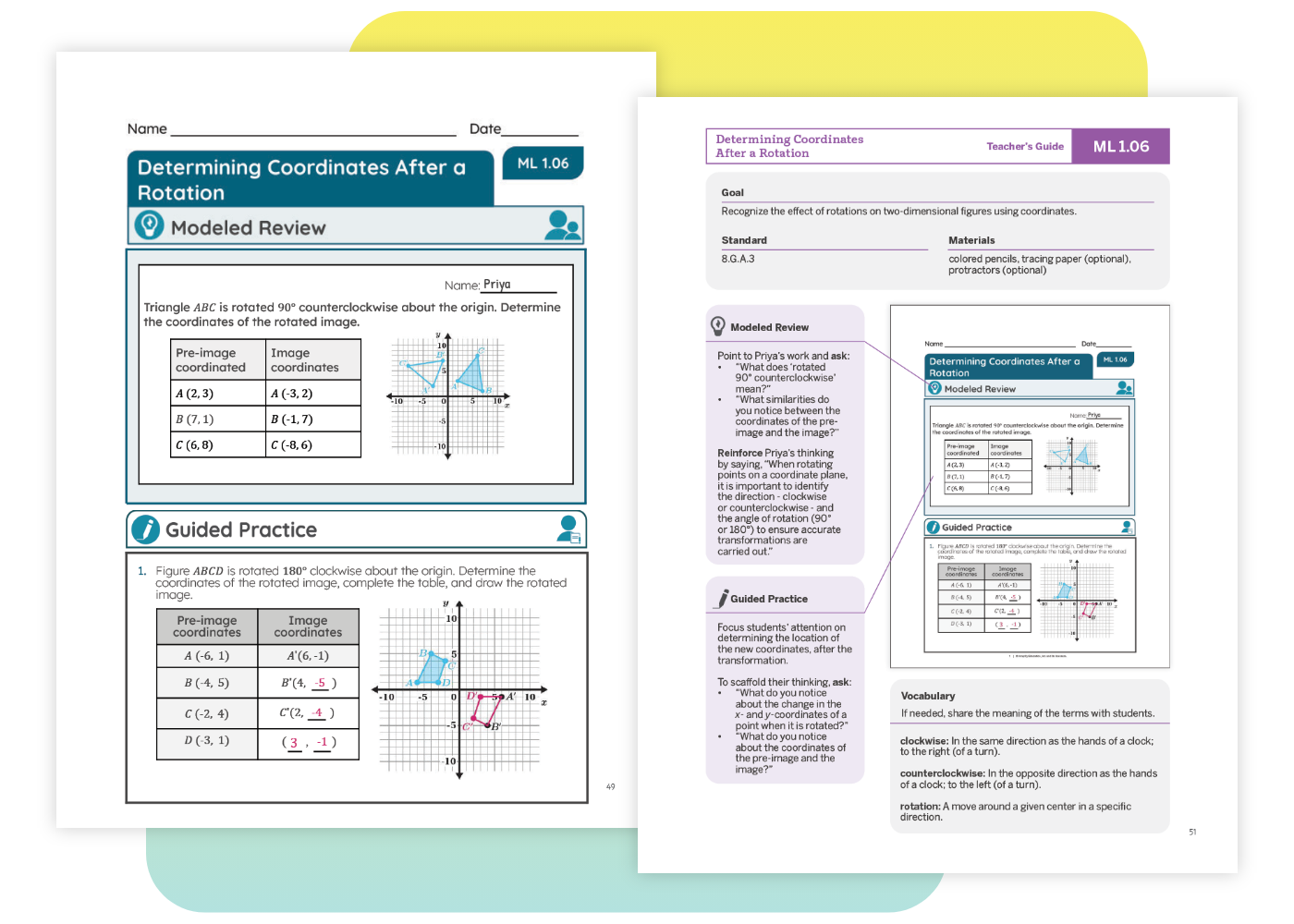
Amplify Desmos Math Texas Mini-Lessons are 15-minute lessons aligned to the most critical topics throughout a unit. Teacher-led Mini-Lessons are used to provide targeted intervention to small groups of students who need additional support or to re-engage students with content that they may need more time on.
Amplify Desmos Math Texas Mini-Lessons are the perfect complement to our problem-based approach, because they provide more explicit instruction opportunities and leverage a consistent instructional routine (Modeled Review, Guided Practice, Check for Understanding).
Centers (Grades K–5)
Game-based Centers strengthen student engagement and reinforce key skills and concepts.
—
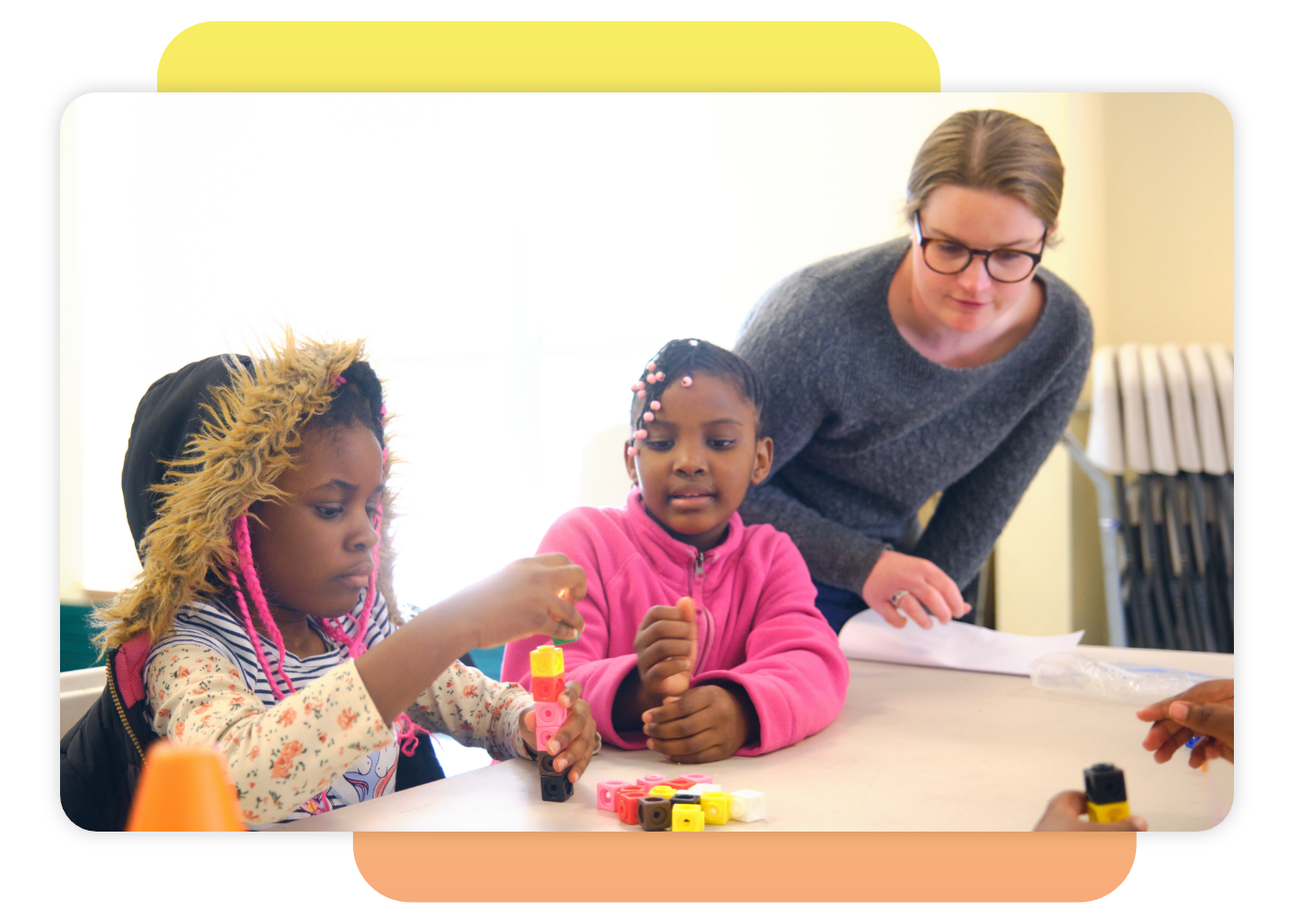
Centers are engaging, hands-on games for students to play collaboratively to strengthen their understanding of key skills and concepts.
Centers are designed so that students engage in them with minimal teacher direction and support. Each Center has multiple stages, so that students return to the same Center game repeatedly within and across grade levels. The content of the Center grows in complexity to align with grade-level standards in a scaffolded manner. And the best part? Each teacher will receive a Centers Kit (per 25 student packages purchased) that includes all the pre-printed and organized materials they need for each Center!
Extensions
—
All students should have access to fun and challenging problems. Amplify Desmos Math Texas extensions are 10- to 15-minute activities aligned to the most critical topics in a sub-unit. Extensions can provide targeted intervention to small groups of students ready for an extra challenge or the whole class.
Amplify Desmos Math Texas extensions build on our student-led, problem-based approach, providing more opportunities for students to engage in creative and rigorous problems that can be approached with different strategies.
These low-lift activities give teachers flexibility and provide students with open-ended, hands-on problems they can choose from.
Emergent Bilingual (EB) student supports
—
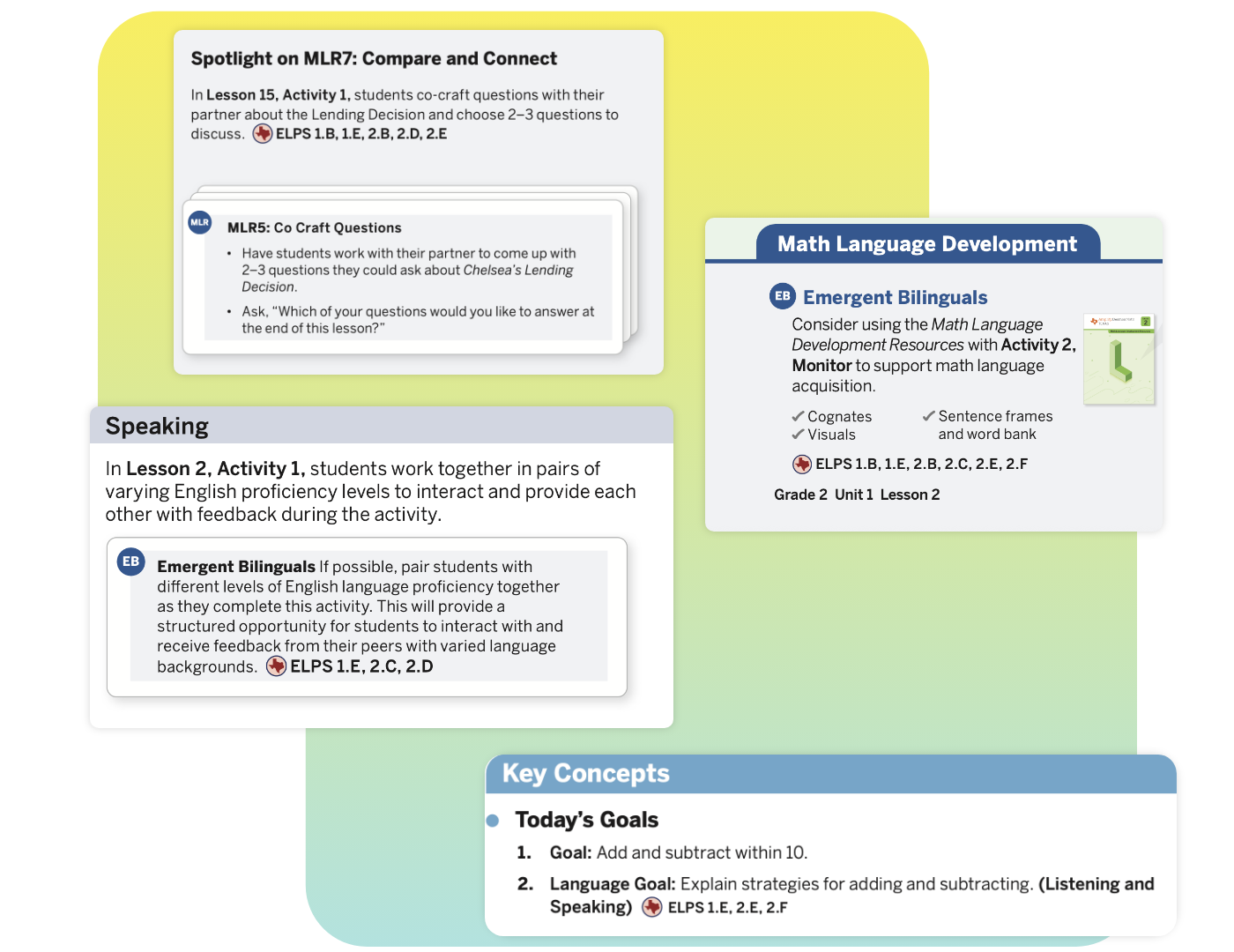
Supports for Emergent Bilingual (EB) students are called out at intentional points within each lesson in the Teacher Edition with the specific ELPS identified. The Math Language Development Resource also provides deep support designed specifically for Emergent Bilingual students. These suggested supports are specific, targeted actions that are beneficial for EB students. They often describe a modification to increase access to the task or provide support with contextual or mathematical language development that can often be helpful to all learners. EB student supports may also be attached to Math Language Routines.